Cast iron attracts more folklore than any other kind of cookware, and most of it is wrong in ways that actively make the pans harder to use. Lodge is where most people start, largely because it is affordable enough to learn on.
What "pre-seasoned" actually means
A new Lodge skillet arrives with a factory seasoning layer — oil baked onto the iron until it polymerises into a hard coating. That is a starting point, not a finished non-stick surface.
A Lodge pan becomes genuinely non-stick after months of ordinary cooking, as each use adds another microscopically thin layer. Expecting it to behave like a Teflon pan out of the box is why so many people conclude cast iron does not work and put it away.
The fastest way to build seasoning is not a special ritual. It is cooking things with fat in it — frying, roasting, searing — regularly.
The soap myth, and what actually ruins a pan
The idea that washing-up liquid destroys seasoning comes from an era of lye-based soap that genuinely would strip it. Modern detergent does not dissolve polymerised oil. Washing a Lodge pan with soap and a brush is fine and always was.
What ruins a pan is water left sitting on it. Bare cast iron rusts within hours of being left wet. Dry it properly — the reliable method is to put it back on the hob for a minute after washing, then wipe a trace of oil over the cooking surface while it is warm.
The other genuine enemy is prolonged contact with acid. A tomato sauce simmered for an hour will strip seasoning. A splash of wine to deglaze will not.
Which pan to start with
A 10 or 12-inch skillet is the one to buy first and does the overwhelming majority of what people want cast iron for: searing, cornbread, roasting a chicken, anything that starts on the hob and finishes in the oven.
A griddle or grill pan is useful if you cook a lot of flat things, and redundant otherwise.
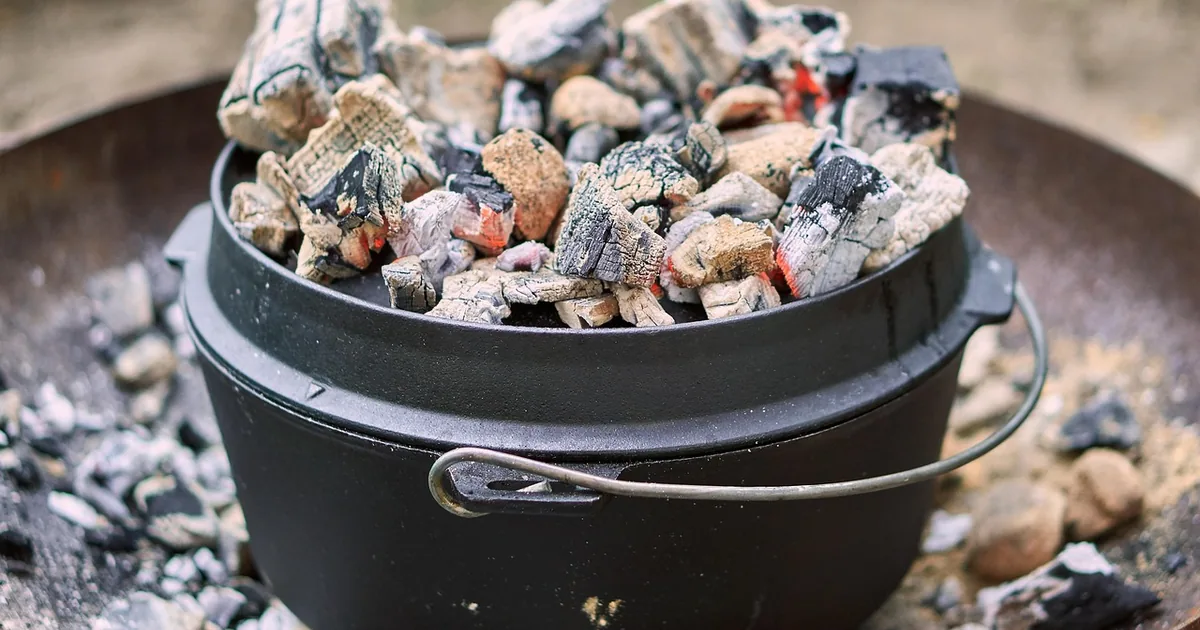
A Dutch oven is a different purchase — for braising, stews and bread. Worth having, not worth being your first piece.
Sets are poor value here for the same reason they are elsewhere: you pay for pieces you will not reach for. One skillet used constantly beats five pans used occasionally.
Enamelled and bare are different products
Lodge sells both, and they are not interchangeable.
Bare cast iron needs seasoning, improves with use, hates acid and standing water, and costs very little.
Enamelled cast iron has a glass coating. It needs no seasoning, handles tomato sauce for hours without complaint, and cleans easily. It also chips if you knock it, cannot be restored the way bare iron can, and costs considerably more.
They are also made in different places, which is part of the price difference. For acidic cooking and low-maintenance use, enamelled. For searing and long-term value, bare.
Restoring a neglected pan
Rust is not the end of a cast iron pan, which is one of the genuinely good things about the material. Scrub the rust off with steel wool, wash, dry thoroughly, then re-season: a very thin layer of oil wiped on and mostly wiped off again, baked upside down at a high temperature for an hour.
The most common mistake is using too much oil. A thick layer does not polymerise properly and leaves a sticky surface that is worse than bare metal. Thin enough to look almost dry is correct.
This is also why a second-hand or badly-treated pan is worth rescuing. The iron underneath is unchanged.
Lodge carbon steel and accessories
Lodge also sells carbon steel pans, which are seasoned and cared for like cast iron but are thinner and lighter. They heat faster and suit quick frying, while a Lodge cast iron skillet holds heat better for searing.
Handle covers are worth buying with a first Lodge skillet, since the handle gets as hot as the pan. A pan scraper and a chainmail scrubber cover most cleaning.
Where the Lodge Cast Iron savings are
Lodge Cast Iron is already the affordable end of cast iron, so the codes are modest by design:
The more interesting route is the factory seconds outlet, where pans with cosmetic imperfections — a blemish in the casting, an uneven patch of factory seasoning — sell at reductions beyond any code.
For a pan that will be heated to smoking point and scrubbed with steel wool for the next thirty years, a cosmetic flaw is genuinely irrelevant. This is the best way to buy Lodge Cast Iron, and the imperfection will be invisible within a month of real cooking.
Codes on the Lodge site usually apply to full-price items. Check whether seconds and sale pieces are excluded before combining them.
Common questions
Can I use metal utensils?
Yes. Unlike non-stick, there is nothing to scratch through — a metal spatula actually helps smooth the seasoning over time.
Is it safe on a glass hob?
Yes, but lift rather than slide. Cast iron is heavy enough to scratch a glass surface if dragged.
Does cast iron add iron to food?
A small amount, more so with acidic foods. It is not a supplement and not a concern.
Why is my pan sticky?
Too much oil during seasoning, not enough heat, or not enough time. Scrub it back and re-season with a thinner layer.
| Discount | Type | Get the deal |
|---|---|---|
| 17% off | Promo code | View at Lodge Cast Iron → |
| 11% off | Promo code | View at Lodge Cast Iron → |
| 10% off | Promo code | View at Lodge Cast Iron → |
| 10% off | Promo code | View at Lodge Cast Iron → |